
Master Cooking Techniques for Sustainable Weight Loss
Discover how the right cooking methods transform your ingredients into nutrient-dense meals that naturally support healthy weight management. Learn evidence-based techniques used by our editorial team.
The information on this site is for educational purposes only and does not constitute medical advice. Always consult a qualified healthcare professional before making health decisions.
Why Cooking Method Matters More Than Ingredients
Many people focus exclusively on what they eat, but overlook how they prepare it. The cooking method you choose dramatically affects nutrient retention, calorie density, and how your body processes food. High-heat frying locks in excess oils and creates compounds that challenge healthy digestion, while gentle steaming and baking preserve vitamins and minerals your body needs.
When you master proper cooking techniques, ordinary ingredients become powerful allies in your health journey. A simple chicken breast prepared correctly provides sustained energy without unnecessary added fats. Vegetables cooked at the right temperature maintain their fiber content and micronutrients, keeping you satisfied longer with fewer calories.
The HolisticKitchenLab editorial team has researched hundreds of cooking methods to identify which techniques best support your wellness goals. This guide reveals the science behind each method and teaches you exactly how to apply them in your own kitchen.
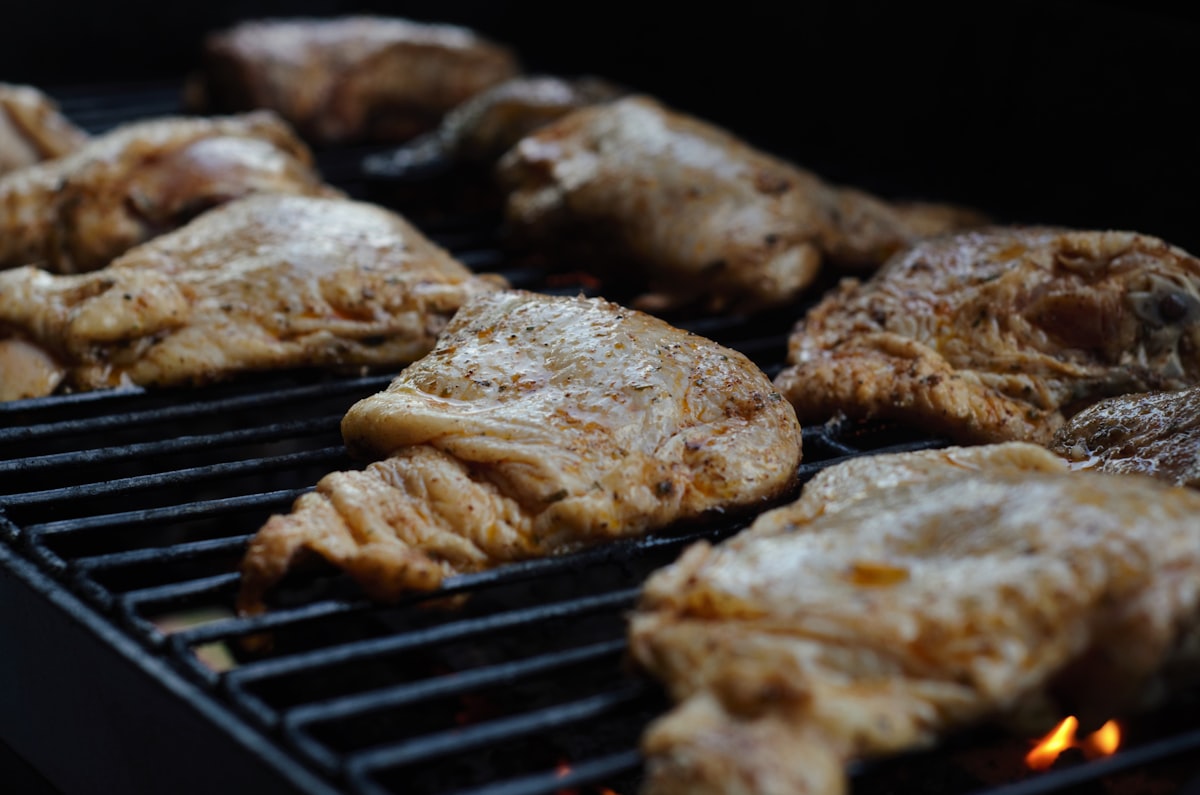
The 5-Step Healthy Cooking Framework
Select Quality Ingredients
Begin with whole, minimally processed foods. Choose fresh vegetables, lean proteins, and whole grains that will respond best to proper cooking techniques.
Prep Strategically
Cut ingredients appropriately for your chosen cooking method. Proper sizing ensures even cooking and optimal nutrient preservation throughout the process.
Choose the Right Temperature
Different foods require different heat levels. Lower temperatures preserve nutrients, while appropriate heat ensures thorough cooking and food safety.
Time Cooking Precisely
Overcooking destroys nutrients and can add unwanted compounds. Precise timing ensures your food reaches optimal doneness without degradation.
Plate and Consume
Serve meals immediately while nutrient content is highest. Proper plating and timely consumption maximize the benefits of your cooking work.
Essential Cooking Techniques You Need to Master
Steaming
Steaming cooks food using hot water vapor, requiring minimal or no added fats. This method preserves heat-sensitive vitamins like vitamin C and B vitamins, maintains vibrant colors in vegetables, and allows you to prepare multiple foods simultaneously in different compartments.
Best for: Vegetables, fish, poultry, grains
Baking
Baking uses dry heat from an oven to cook food from all directions evenly. This technique allows controlled temperature settings, requires minimal added fat when properly prepared, and develops natural flavors through the Maillard reaction without excess oil or calories.
Best for: Proteins, root vegetables, whole grains, legumes
Boiling
Boiling immerses food in hot water, quickly bringing it to food-safe temperatures. While some water-soluble nutrients leach into the cooking liquid, you can retain them by using the broth in soups or sauces. This method requires zero added fats and ensures thorough, even cooking.
Best for: Pasta, grains, legumes, eggs, leafy greens
Air Frying
Air frying circulates very hot air around food to create a crispy exterior with minimal or no oil. This modern technique significantly reduces calorie content compared to deep frying while maintaining texture appeal. Results are ready in minutes with quick cleanup required.
Best for: Vegetables, proteins, snacks, leftover reheating
Poaching
Poaching cooks food gently in barely simmering liquid, preserving delicate textures and flavors. The cooking liquid can be broth, wine, or water infused with herbs for added nutrition. This technique produces incredibly tender results without added fats or high temperatures.
Best for: Fish, chicken, eggs, fruits
Sautéing
Sautéing cooks food quickly in a small amount of fat over moderately high heat. When using oils with high smoke points and measuring portions carefully, sautéing develops complex flavors while keeping added fats minimal. The key is using just enough oil for even cooking, not excess.
Best for: Vegetables, aromatics, proteins, quick meals
Key Benefits Comparison
| Cooking Method | Nutrient Retention | Added Fat Needed | Cooking Time | Flavor Development |
|---|---|---|---|---|
| Steaming | Excellent | None | 10-20 min | Mild, natural |
| Baking | Very Good | Minimal (optional) | 20-45 min | Rich, developed |
| Boiling | Good (save broth) | None | 5-30 min | Subtle, clean |
| Air Frying | Very Good | Minimal | 10-25 min | Crispy, appealing |
| Poaching | Excellent | None | 5-20 min | Delicate, subtle |
| Sautéing | Good | Small amount | 5-15 min | Complex, bold |
Common Questions About Healthy Cooking
Yes, steaming cooks food just as thoroughly as boiling when temperatures are properly maintained. The key difference is that steaming surrounds food with hot vapor rather than immersing it in liquid. This actually preserves more heat-sensitive vitamins. Both methods reach adequate temperatures for food safety.
Use just enough oil to coat your pan and ingredients lightly—typically one to two teaspoons for a standard skillet. The goal is enough for even heat distribution and flavor development without excess calories. Non-stick cookware reduces oil requirements further. You can also use cooking sprays or broth-based sautéing for lower-fat alternatives.
Both methods are excellent and have different advantages. Air frying cooks faster and uses less oil, producing crispier results. Oven baking works better for larger batches and uses less electricity. Both require minimal added fat and produce excellent results. The "best" method depends on your specific food, time available, and personal preference.
Most vegetables roast beautifully at 400-425°F (200-220°C). Higher temperatures create caramelization and deeper flavors while cooking quickly. Denser vegetables like root vegetables may need 425°F, while delicate ones like leafy greens do well at 375°F. Preheat your oven and arrange vegetables in a single layer for even cooking. Avoid crowding the pan.
Absolutely. While water-soluble nutrients do leach into cooking liquid, you can capture them by using the liquid in soups, sauces, or gravies. Additionally, use minimal water, keep boiling time as short as possible, and avoid overcooking. Save the cooking liquid unless you have specific reasons not to. Steaming or microwaving may retain slightly more nutrients for vegetables you won't use the liquid for.
Use oils with high smoke points: avocado oil, refined coconut oil, or refined vegetable oil work well for high-heat cooking. Extra virgin olive oil is wonderful for lower-temperature cooking and finishing dishes. Butter has a lower smoke point and is best for moderate heat. Choose based on your cooking temperature and desired flavor profile.
Real Transformation Stories Through Better Cooking
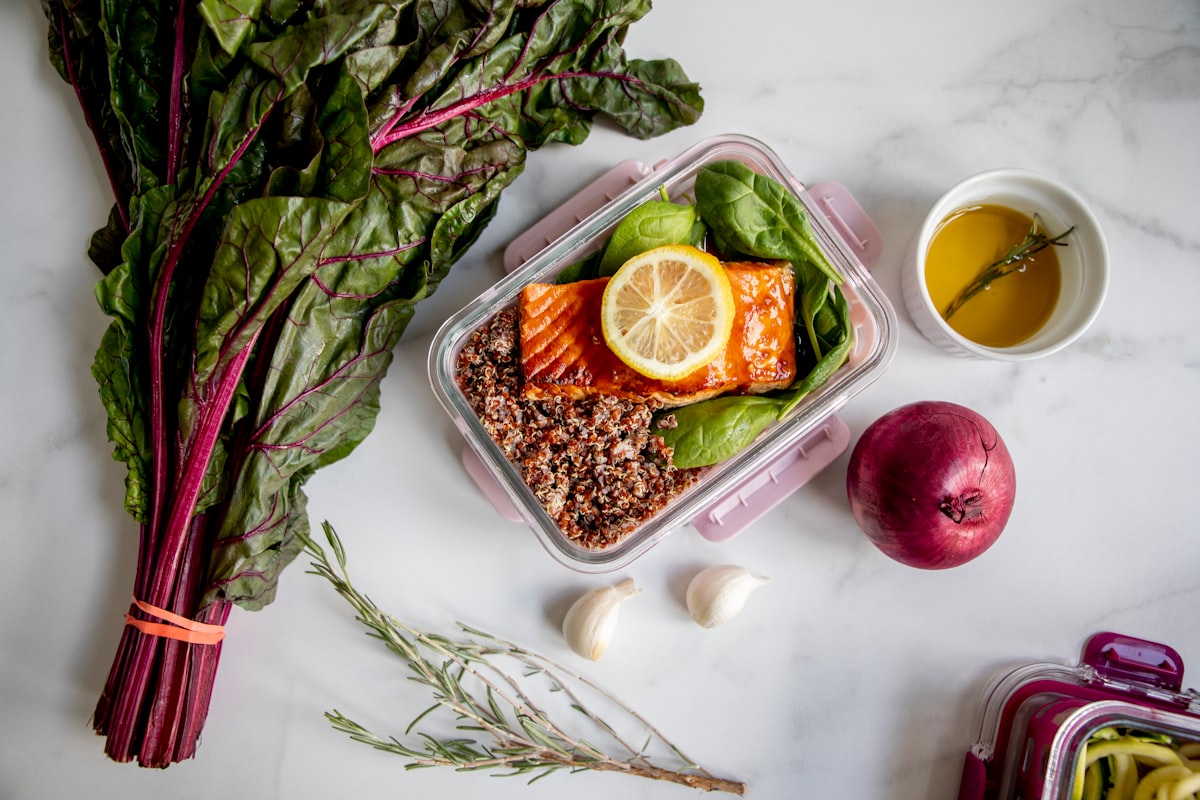
"I never realized how much my cooking method affected my results. Once I switched to steaming vegetables and baking proteins instead of frying everything, I felt so much better. The energy boost was remarkable within just two weeks."
Marcus from Berlin
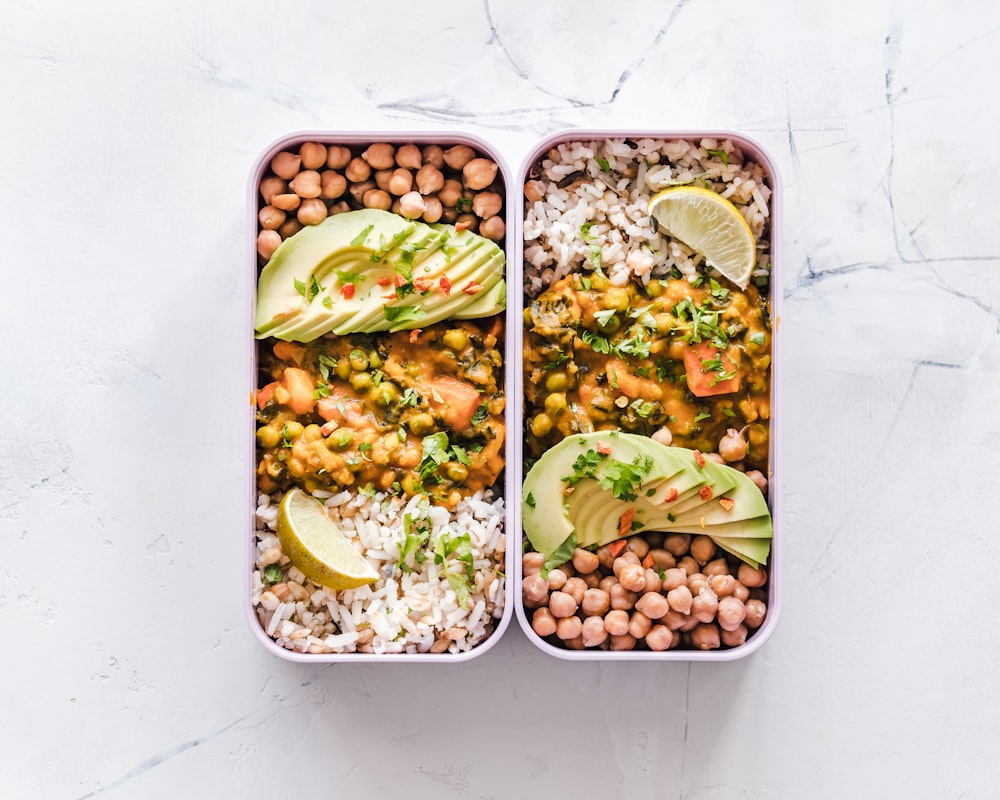
"Learning the difference between steaming and boiling was game-changing. My vegetables now taste incredible, and I'm no longer adding extra oil without thinking. The meals feel nourishing and actually satisfy my hunger properly."
Sarah from Munich
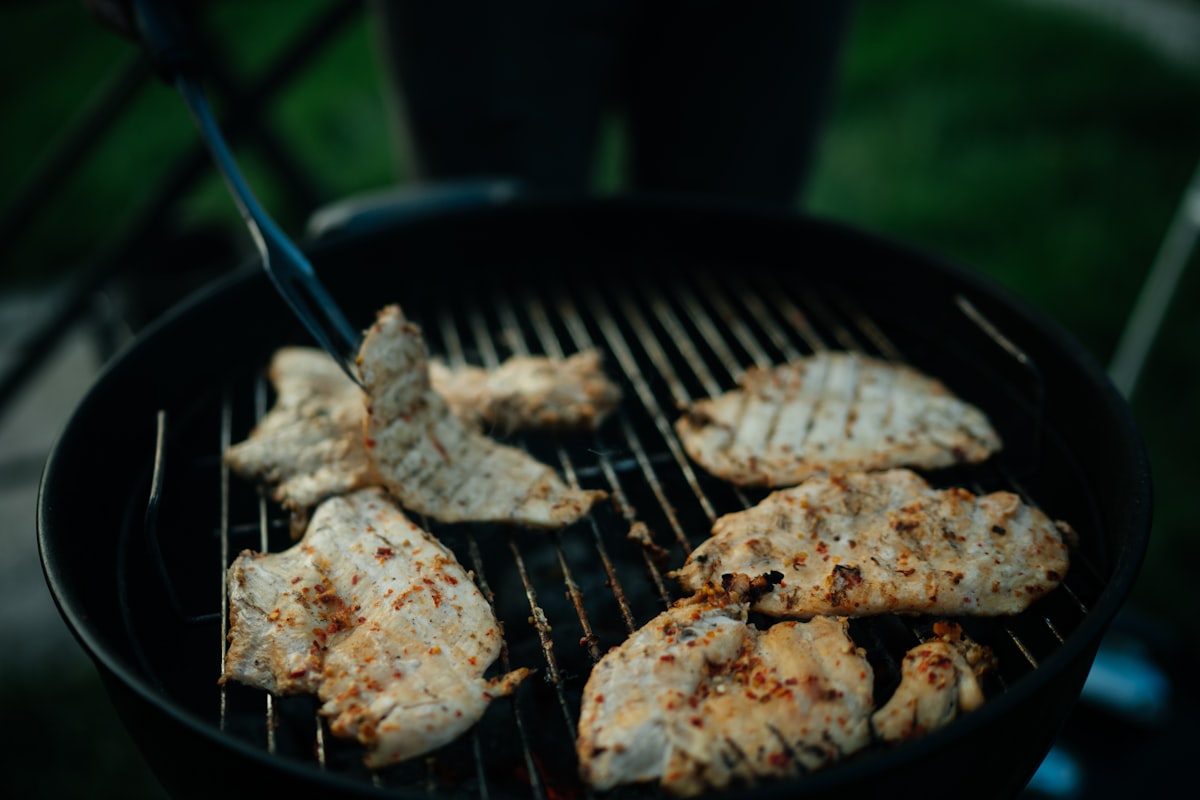
"Switching to air frying and poaching has totally changed my relationship with cooking. I get restaurant-quality meals without the guilt, and my family actually looks forward to dinner now. These techniques make healthy eating actually enjoyable."
Thomas from Hamburg
Master These Techniques and Transform Your Kitchen
Proper cooking methods are the foundation of sustainable wellness. Whether you're just starting your journey or looking to deepen your skills, our editorial content provides the science-backed guidance you need.