
Cooking Techniques for Healthy Weight Loss
Explore our comprehensive collection of science-backed cooking methods, nutritional strategies, and kitchen practices designed to support sustainable weight management and overall wellness.
The information on this site is for educational purposes only and does not constitute medical advice. Always consult a qualified healthcare professional before making health decisions.
Browse by Category
Essential Cooking Techniques
Steaming and Poaching
Learn how steaming and poaching preserve nutrients while minimizing added fats. These gentle cooking methods maintain food quality and support balanced meal preparation without excess calories or oil.
Read More →
Grilling and Roasting
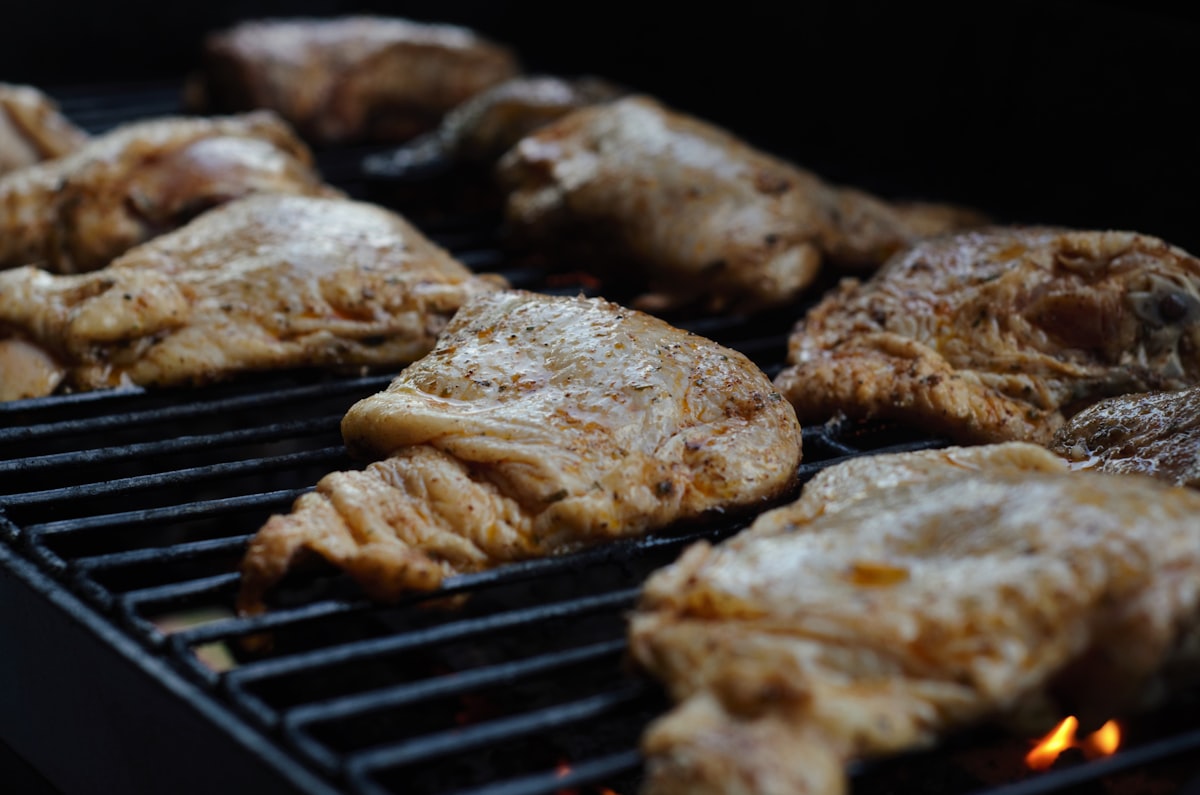
Master high-heat cooking methods that enhance flavor while allowing excess fat to drain naturally. Grilling and roasting create satisfying meals with superior taste and reduced caloric density.
Read More →
Vegetable Preparation
Discover techniques for maximizing vegetable intake and nutrient retention. Proper cutting, blanching, and storage methods ensure peak freshness and nutritional value in every meal.
Read More →
Protein Cooking Methods
Learn the best approaches for preparing lean proteins with minimal fat. From lean meats to plant-based options, these techniques create protein-rich meals that support sustained energy and fullness.
Read More →
Portion Control & Plating
Understand visual portion sizing and plate composition for balanced nutrition. Proper plating techniques make meals more satisfying while maintaining healthy caloric intake and nutrient balance.
Read More →
Whole Grain & Legume Cooking
Master preparation of whole grains and legumes for sustained energy and satiety. Learn cooking times, water ratios, and flavor enhancement without added sugars or excessive sodium.
Read More →
Your Healthy Cooking Journey
Learn Fundamentals
Understand basic cooking techniques and nutrition principles. Start with foundational knowledge about healthy ingredients and preparation methods.
Plan Your Meals
Create weekly meal plans that align with your wellness goals. Balance proteins, vegetables, whole grains, and healthy fats strategically.
Prepare & Cook
Apply healthy cooking techniques to prepare delicious, satisfying meals. Use proper methods to minimize added fats while maximizing flavor.
Sustain Progress
Build lasting habits through consistent practice. Enjoy cooking as a cornerstone of your sustainable wellness journey.
Why These Techniques Matter
Nutrient Preservation
Proper cooking methods retain vitamins, minerals, and beneficial compounds that support overall health and metabolism.
Calorie Control
Minimize added fats and oils while maintaining flavor. These techniques create satisfying meals with appropriate caloric density.
Enhanced Satiety
Properly prepared meals with adequate protein and fiber promote lasting fullness, supporting consistent eating patterns.
Food Safety
Master proper temperatures, storage, and hygiene practices. Safe food preparation is essential for long-term wellness.
Time Efficiency
Learn batch cooking and meal prep strategies that make healthy eating convenient and sustainable long-term.
Flavor Development
Create delicious meals using spices, herbs, and proper technique instead of added sugar, salt, or unhealthy fats.
Healthy Meal Preparation Showcase
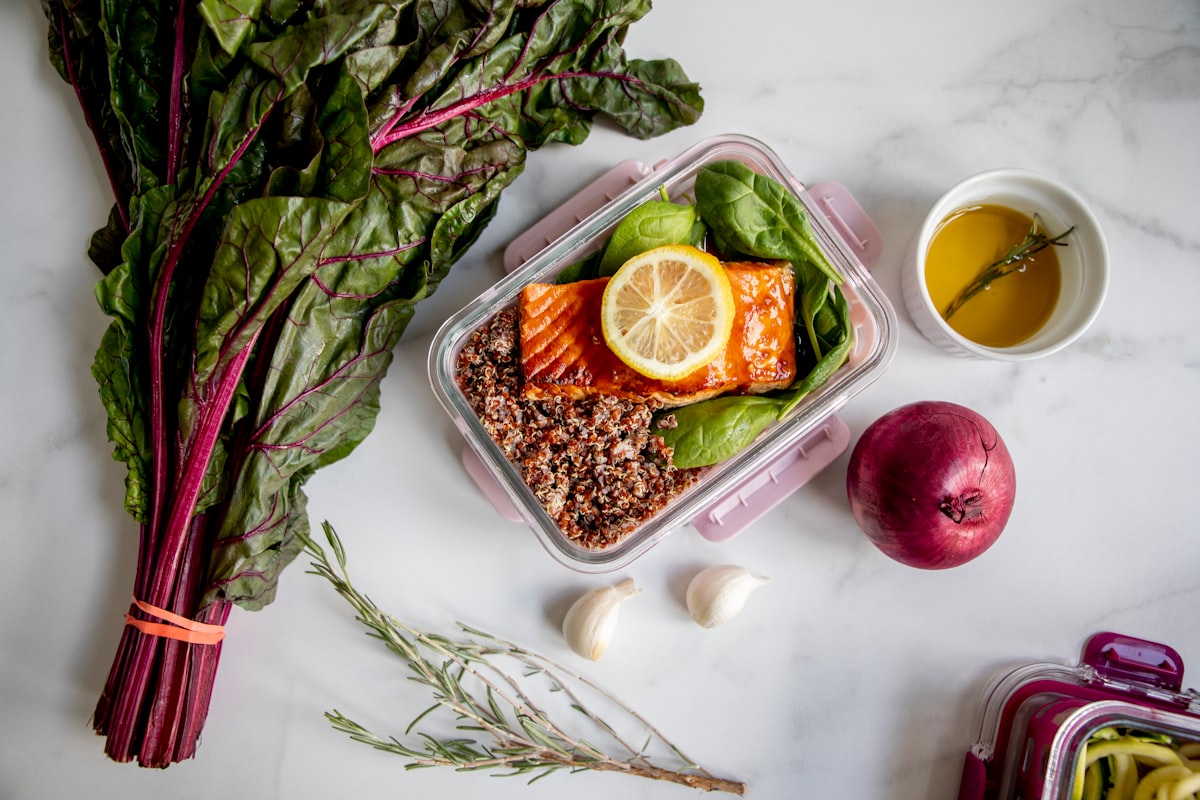
Steamed Vegetables with Grilled Salmon
A balanced plate featuring lean protein, nutrient-dense vegetables prepared with minimal fat, and omega-3 rich salmon.
Roasted Vegetable Medley
High-heat roasting brings out natural sweetness in vegetables without added oils. A flavorful, low-calorie side dish.
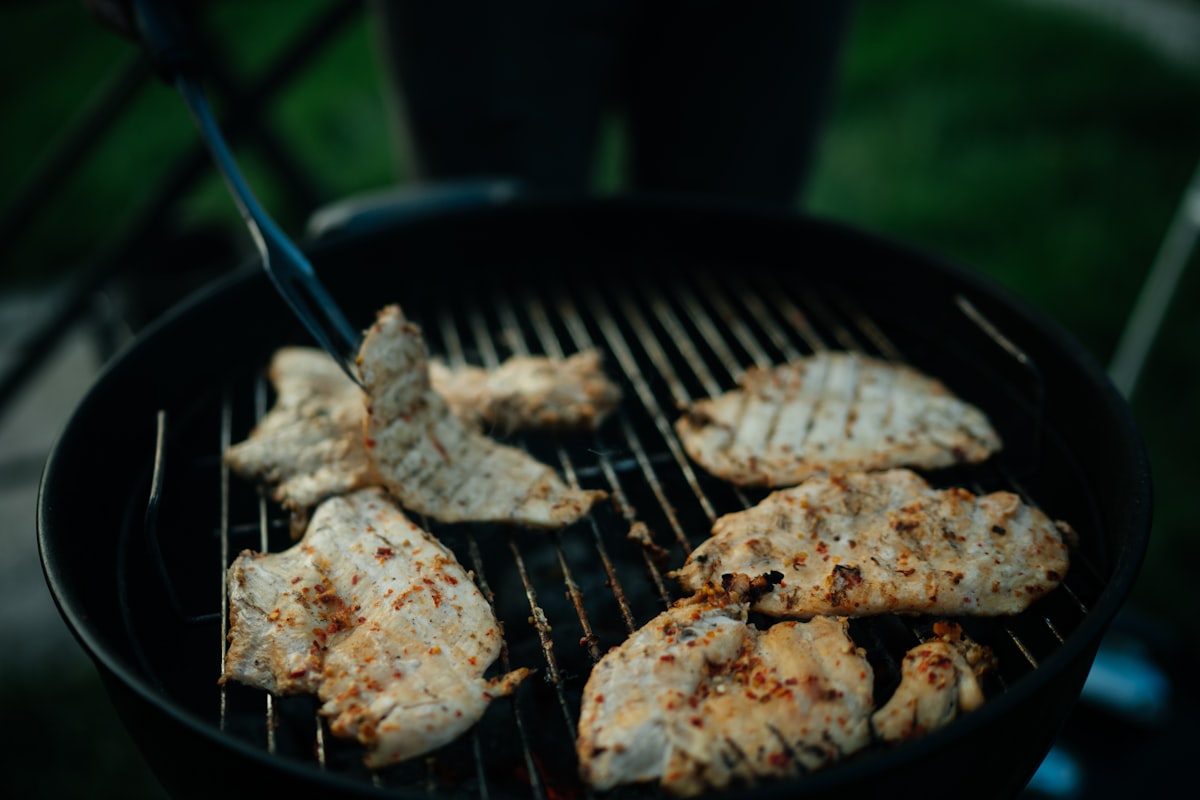
Grilled Chicken with Quinoa
Lean protein combined with complete protein grains creates a satisfying meal that supports sustained energy and wellness.
Garden Salad with Grilled Vegetables
Raw and gently cooked vegetables combined for maximum nutrient density and visual appeal in a light, satisfying meal.
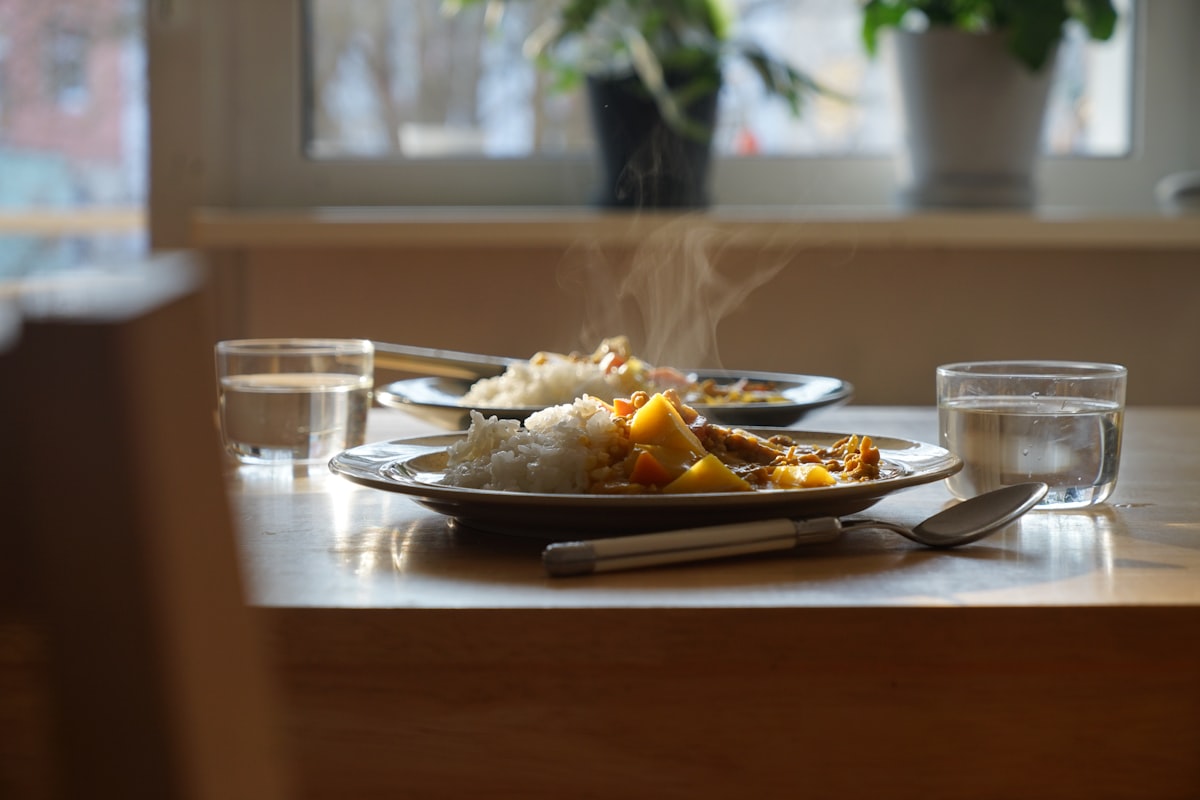
Herb-Steamed Fish
Steaming preserves moisture and delicate flavors while eliminating the need for added oils or fats.
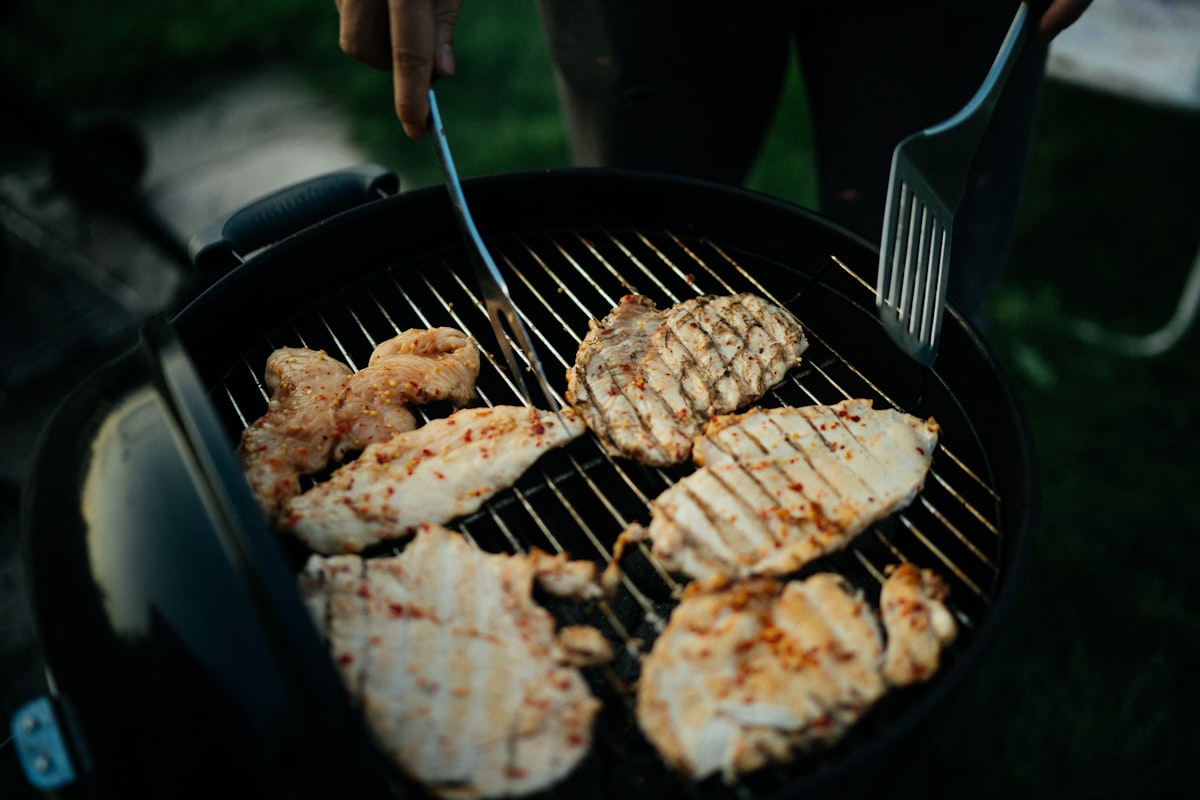
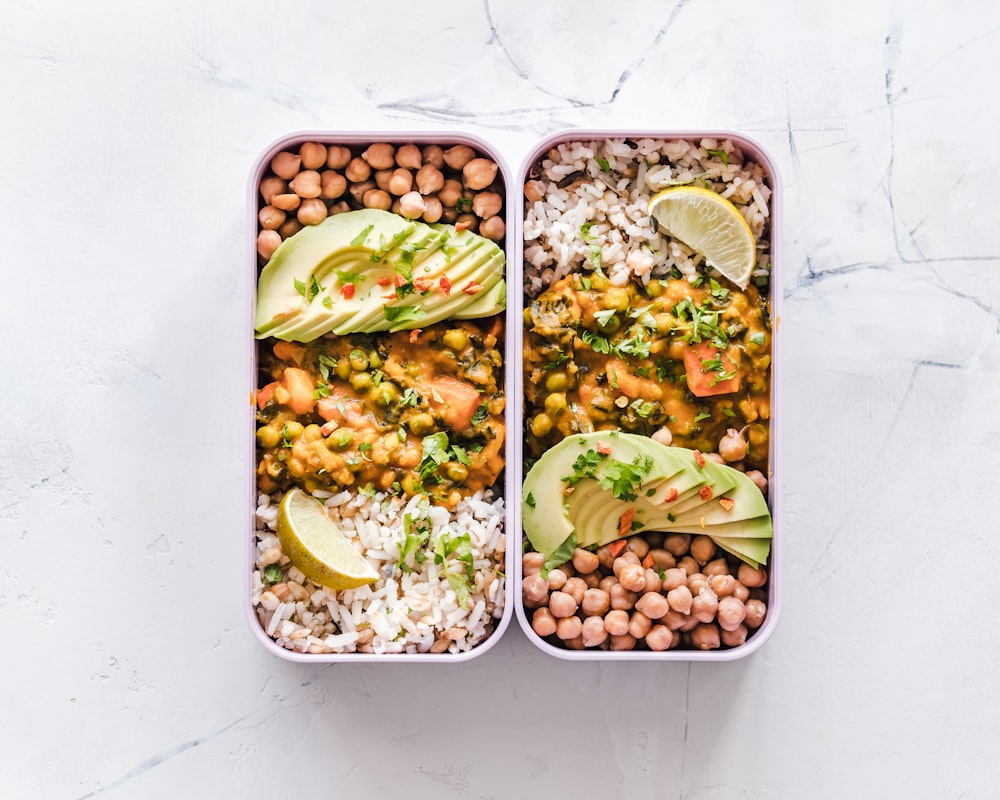
Plant-Based Legume Stir-Fry
Legumes and vegetables prepared with high-heat techniques create a protein-rich meal that supports satiety and balanced nutrition.
Common Questions About Healthy Cooking Techniques
Steaming uses heat from steam without direct water contact, preserving more nutrients and flavor. Boiling submerges vegetables in water, which can leach water-soluble vitamins into the cooking liquid. For weight loss support, steaming is often preferred because it requires no added fat and better maintains the food's natural taste and texture, making meals more satisfying.
Use marinades with herbs, spices, citrus, and vinegar-based liquids that add incredible flavor without extra calories. Dry rubs with spice blends create a flavorful crust on proteins. Ensure your grill grates are well-seasoned and clean so food releases easily. High-heat grilling itself creates complex flavors through the Maillard reaction, making grilled foods naturally delicious.
Short cooking times with lower heat (steaming, poaching, light stir-frying) preserve more heat-sensitive vitamins. Roasting and grilling at high temperatures minimize cooking time. Avoid prolonged boiling in large amounts of water. Raw preparation when appropriate (salads, smoothies) preserves all nutrients. The key is matching cooking method to ingredient type for optimal retention.
A standard portion of cooked protein is roughly the size of your palm or 3-4 ounces. For visual reference, use your plate: one quarter should be lean protein, one quarter whole grains, and half filled with vegetables. This simple method ensures adequate protein for satiety while maintaining appropriate caloric balance without complex calculations.
Absolutely. Grilling, roasting, and steaming are excellent for batch cooking. Prepare proteins and vegetables in bulk early in the week, then portion and store in containers. These techniques hold up well to refrigeration without becoming soggy or losing quality. Proper storage at correct temperatures keeps meals safe and fresh for 3-4 days.
Soak dried legumes before cooking to reduce cooking time and improve digestibility. Use proper water-to-legume ratios (usually 3:1) and simmer until tender, typically 45 minutes to 2 hours depending on type. Canned legumes are convenient and equally nutritious. Adding herbs and aromatics during cooking enhances flavor naturally without salt or sugar.
Success Stories from Our Community
"Learning proper steaming and grilling techniques completely transformed how I approach meals. I was shocked that healthy food could taste this good. The simple cooking methods are so easy to master, and my kitchen skills have improved tremendously. These techniques have become the foundation of my daily cooking routine."
Marcus T.
Berlin, Germany
"The meal prep articles transformed how I think about nutrition. Professional, practical, and truly life-changing. Highly recommended!"
Sarah Mitchell
London, UK
"Finally, someone who understands holistic wellness AND delicious food. The recipes are incredible and the science behind them is solid."
Marco Rossi
Milan, Italy
Ready to Transform Your Kitchen & Health?
Join thousands of satisfied students and start your holistic wellness journey today.