
Master Cooking Techniques for Healthy Weight Loss
Discover science-backed cooking methods that transform your kitchen into a wellness hub. Learn how to prepare delicious meals that support your health goals.
The information on this site is for educational purposes only and does not constitute medical advice. Always consult a qualified healthcare professional before making health decisions.
Why Cooking Technique Matters
Optimize Heat Control
Proper heat management preserves nutrients while creating delicious flavors. Learn steaming, poaching, and low-temperature roasting to maximize nutritional value in every dish.
Preserve Nutrients
Master techniques that keep vitamins and minerals intact. Discover how cooking methods affect protein quality, fiber content, and the bioavailability of essential nutrients.
Enhance Flavor Naturally
Build depth and satisfaction without excess salt, oil, or sugar. Explore layering flavors, proper seasoning timing, and aromatic cooking techniques for wholesome meals.
The Healthy Cooking Journey
Understand Basics
Learn fundamental cooking methods: sautéing, steaming, boiling, roasting, and braising. Understand how each method affects food composition.
Master Ingredient Selection
Choose whole foods that work best with specific techniques. Discover which cooking methods work for proteins, vegetables, grains, and healthy fats.
Develop Kitchen Skills
Build confidence with proper knife skills, timing, and multitasking. Learn to prepare meals efficiently while maintaining nutritional integrity.
Transform Your Habits
Integrate healthy cooking into your lifestyle. Create sustainable meal prep routines that support your wellness goals long-term.
Featured Cooking Techniques
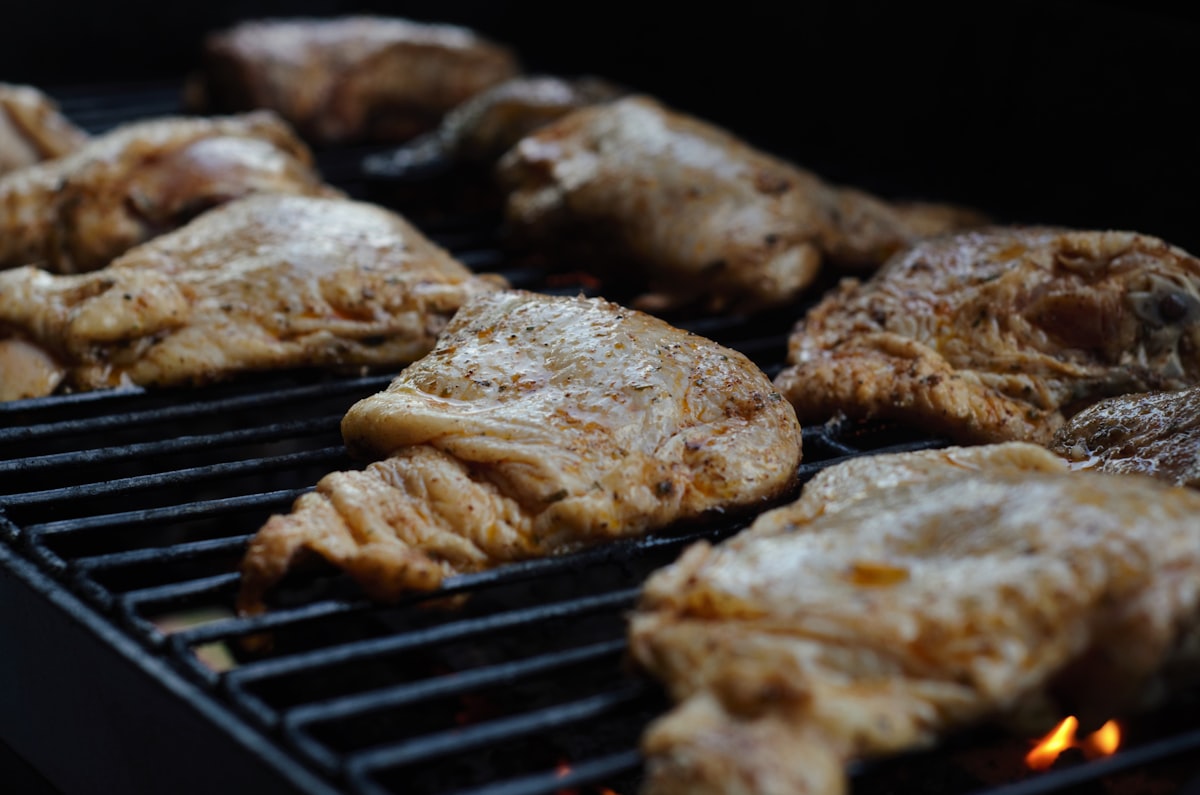
Steam Cooking: Preserve Maximum Nutrition
Steaming is one of the gentlest cooking methods available, perfect for preserving vitamins and minerals in vegetables, fish, and lean proteins. This technique uses moist heat to cook food evenly without direct contact with boiling water, which helps retain color, texture, and nutritional content.
Master steaming by using bamboo steamers, metal baskets, or silicone molds. Learn proper timing for different foods—delicate vegetables need just 3-5 minutes, while heartier items may require longer. Discover how to infuse steamed dishes with herbs, citrus, and aromatics for enhanced flavor without added calories.
Learn More TechniquesWhat Our Readers Say
"The steaming technique article completely changed how I prepare vegetables. I never realized how much nutrition I was losing with my previous cooking methods. My meals taste better and I feel more energized. Holistickitchenlab's approach is practical and science-backed without being overwhelming."
Sarah Mueller
Berlin
"I've been following the roasting guides for months now. The explanations about temperature control and timing have made me confident in the kitchen. My family notices the difference in how our food tastes and how satisfied we feel. This is quality content that actually works."
Marcus Weber
Munich
"The articles about poaching fish and braising lean proteins have transformed my approach to meal prep. I love how detailed yet accessible the instructions are. The emphasis on preserving nutrients while creating delicious food resonates with my wellness goals. Highly recommended for anyone serious about healthy cooking."
Elena Schneider
Cologne
Common Questions About Healthy Cooking
Steaming, poaching, and boiling with minimal water are among the best techniques for nutrient retention. Steaming is particularly effective because food doesn't contact boiling water directly. For vegetables, steaming typically preserves 70-90% of heat-sensitive vitamins compared to boiling, which can leach nutrients into cooking water. Roasting at moderate temperatures (around 180°C) also performs well, especially for vegetables with fat-soluble vitamins like carrots and sweet potatoes.
Temperature directly influences protein denaturation and digestibility. Moderate heat (60-80°C) gently denatures proteins, making them more bioavailable without creating harmful compounds. Very high temperatures (above 150°C) can create advanced glycation end products (AGEs), which may affect how your body processes the protein. For optimal results, cook lean proteins like fish and poultry to safe internal temperatures using gentle methods like poaching or steaming rather than charring at very high heat.
Absolutely. Building flavor through cooking technique rather than added fats is entirely possible. Use dry roasting to toast spices before cooking, which intensifies their aromatic compounds. Layer flavors by using aromatics—garlic, onions, ginger—early in cooking. Finish dishes with acidic elements like lemon juice or vinegar to brighten flavors naturally. Steaming vegetables with herb-infused water or broth adds dimension without calories. Learn to taste as you cook and adjust seasonings incrementally for satisfaction without excess oil or butter.
Prepare components separately rather than fully cooked meals when possible. Cook grains and proteins ahead, but store vegetables raw or lightly steamed. Assemble meals within a few hours of eating for maximum freshness. If storing cooked vegetables, keep them in airtight containers and reheat gently (avoid microwave if possible). Batch-cook proteins using gentle methods like poaching or steaming. The key is timing: complex carbs and proteins keep well for 3-4 days, while cooked vegetables are best consumed within 2-3 days for optimal nutritional content.
Start Your Healthy Cooking Journey
Explore comprehensive articles, detailed recipes, and expert-backed cooking techniques. Learn how to prepare meals that support your wellness goals while tasting delicious.